21 Aug 2026 Cheltenham
Make Moments. Make Memories. Make Your Move…

As we enter 2026, Cirencester continues to magnetise property buyers seeking an escape from the hustle of London and Bristol, drawn by its quintessential Cotswolds charm and surprisingly robust property market. This comprehensive guide explores why the ‘Capital of the Cotswolds’ has become the ultimate destination for those trading city living for countryside quality of life, and what this means for the local property landscape. The migration trend shows no signs of slowing, with estate agents in Cirencester reporting unprecedented demand from urban professionals seeking their perfect countryside retreat.
The seismic shift in lifestyle priorities that began in 2020 has crystallised into a permanent migration pattern by 2026. Today’s buyers aren’t just seeking temporary refuge from city life – they’re making deliberate, long-term choices about where and how they want to live. Research indicates that 78% of buyers relocating to Cirencester cite ‘quality of life improvements’ as their primary motivation, with access to green spaces, reduced pollution and stronger community connections topping their priority lists.
The pandemic fundamentally altered perceptions of what constitutes a desirable living environment. Where once proximity to offices and urban amenities drove property decisions, buyers now prioritise space, natural beauty and community spirit. Cirencester delivers all three in abundance, offering the perfect antidote to cramped city living and lengthy commutes.
The remote working revolution has been the great enabler of this urban exodus. With 65% of London-origin buyers now working either fully remotely or in hybrid arrangements, the geographical constraints that once tethered professionals to expensive city centres have largely dissolved. This newfound freedom has opened up possibilities that seemed impossible just a few years ago.
Cirencester’s excellent connectivity, with direct rail links to London Paddington in just over an hour and easy M4 access to Bristol, means buyers can enjoy countryside living without completely severing professional ties. The town has witnessed a boom in co-working spaces and business centres, catering to the influx of remote professionals who occasionally need formal meeting spaces or simply crave a change of scenery from their home offices.
The financial mathematics driving the Cirencester migration are compelling. The average London property buyer can purchase 40-50% more space for their money in Cirencester, while Bristol buyers typically gain 25-30% more property for equivalent investment. These aren’t marginal improvements – they represent life-changing upgrades in living standards.
Beyond property costs, the broader cost of living advantages are substantial. From parking and transport costs to dining and entertainment, Cirencester offers significant savings while maintaining high-quality amenities. Many relocating families discover they can upgrade their lifestyle significantly while actually reducing their monthly outgoings.
Cirencester’s property market in 2026 reflects its growing desirability while remaining attractive compared with urban alternatives. The average property price now sits at £485,000, representing a 12% increase from 2025 but still offering exceptional value compared with London’s average of £735,000 and Bristol’s £425,000. However, these headline figures mask significant variation across property types and locations within the area.
Family homes in sought-after areas command premium prices, with four-bedroom properties in prime locations averaging £650,000-£750,000. Meanwhile, two-bedroom cottages in the town centre typically range from £350,000-£450,000, offering excellent entry points for first-time buyers or those downsizing from city properties.
The Cirencester property market demonstrates remarkable resilience and consistent growth patterns. Year-on-year price appreciation has averaged 8-10% over the past three years, significantly outpacing national averages. This growth is underpinned by genuine demand rather than speculative investment, creating a stable foundation for sustained value increases.
Properties typically sell within 6-8 weeks of listing, with well-presented family homes often attracting multiple offers. The market shows particular strength in the £400,000-£700,000 bracket, precisely where most London and Bristol migrants are actively searching.
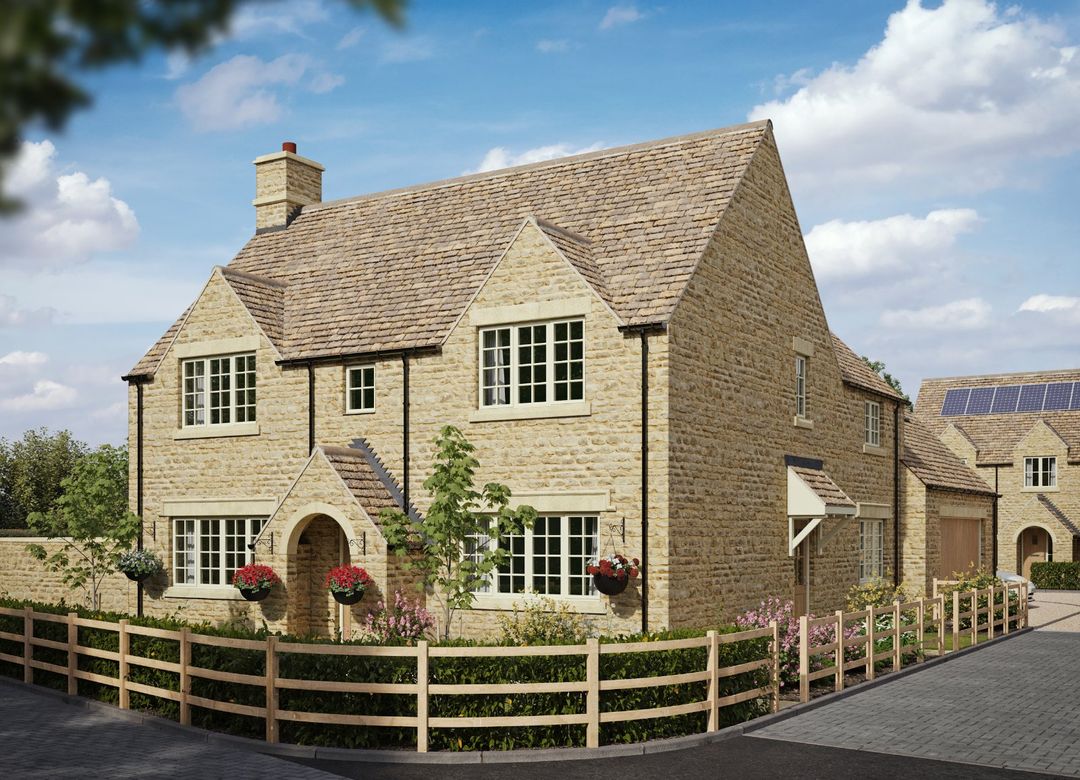
Georgian and Victorian properties remain the most coveted, embodying the historic character that draws buyers to the area. These period homes, with their generous proportions and original features, command premium prices and rarely stay on the market long. Restored Georgian terraced houses in the town centre are particularly prized, offering the perfect blend of historical character and modern convenience.
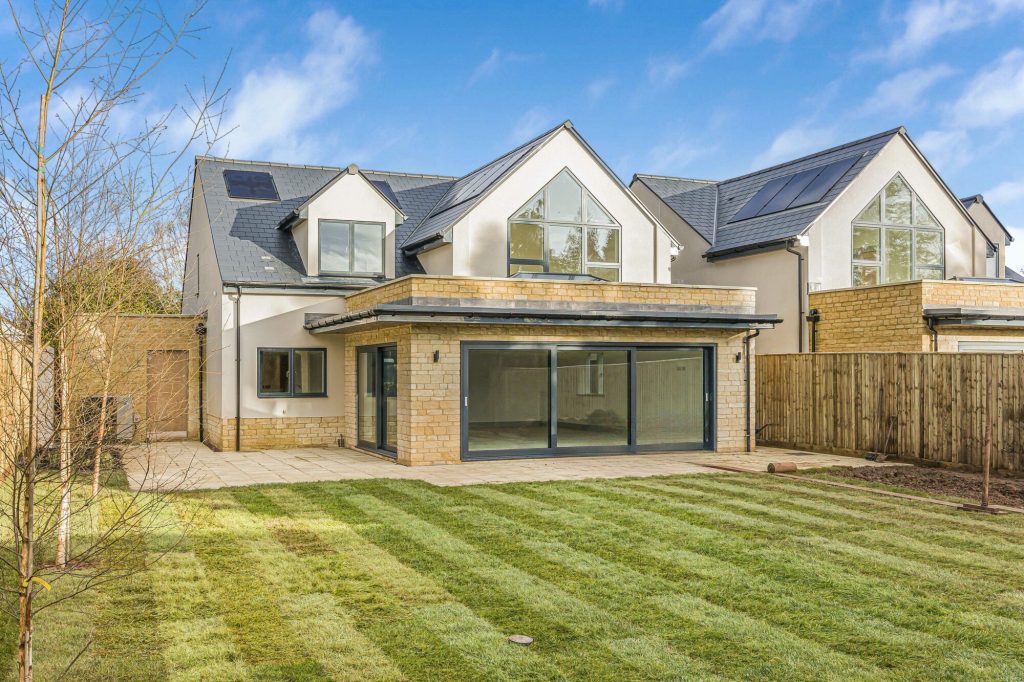
New build developments have also gained traction, especially among buyers prioritising energy efficiency and modern amenities. Contemporary homes in developments like those in the Chesterton area offer the appeal of countryside living with all modern conveniences, attracting buyers who want the Cirencester lifestyle without the commitment to period property maintenance.
Cirencester’s designation as the ‘Capital of the Cotswolds’ isn’t mere marketing hyperbole – it reflects a genuine historical significance that permeates daily life. The weekly markets create a community atmosphere largely absent from modern city living, where neighbours actually know each other and local businesses thrive on personal relationships rather than corporate efficiency.
The town centre, with its Roman amphitheater and medieval church, provides a sense of continuity and rootedness that many urban professionals crave after years of transient city living. Independent shops, traditional pubs and local restaurants create an authentic market town experience that feels worlds away from homogenised city centres.
Families relocating to Cirencester are consistently impressed by the educational opportunities available. The combination of excellent state schools, renowned independent options and Cirencester College creates an educational ecosystem that rivals any city offering. Local primary schools consistently achieve outstanding Ofsted ratings, while secondary options provide pathways to top universities.
The family-friendly environment extends beyond formal education. Safe streets, numerous parks and recreational facilities, and a calendar packed with community events create an ideal environment for raising children. Many London parents report that their children’s social lives flourished after the move, with greater freedom and more diverse outdoor activities.
Despite its market town character, Cirencester maintains excellent connectivity to major urban centres. The M4 corridor provides easy access to both London and Bristol, with journey times of 90 minutes and 45 minutes respectively under normal conditions. This accessibility means relocating buyers don’t have to completely abandon urban amenities or professional networks.
The direct train service to London Paddington, while requiring a short drive to Kemble station, opens up the capital for day trips, business meetings or cultural excursions. Many residents find they visit London more intentionally and enjoyably than when they lived there, appreciating the city as visitors rather than enduring it as residents.
The town centre offers the full Cirencester experience, with Georgian and Victorian properties overlooking the market square and within walking distance of all amenities. These properties command premium prices but deliver unparalleled lifestyle benefits. Living in the heart of Cirencester means being part of the community fabric while enjoying the convenience of urban-style amenities.
Suburban areas offer more space and often better value, particularly for families needing gardens and parking. Areas like Love Lane and Tetbury Road provide excellent family homes with good school catchments while maintaining easy access to town centre amenities.
The Chesterton area represents Cirencester’s largest expansion, offering contemporary family homes with modern amenities and energy-efficient designs. These developments particularly appeal to buyers seeking low-maintenance properties with warranties and modern conveniences like smart home technology and electric vehicle charging points.
Regeneration projects in the town centre focus on enhancing rather than replacing the historic character, creating modern amenities within traditional frameworks. These thoughtful developments ensure Cirencester evolves without losing the charm that attracts buyers in the first place.
Surrounding villages like Siddington, Preston and Daglingworth offer even more rural experiences while maintaining easy access to Cirencester’s amenities. These locations often provide better value and larger properties, appealing to buyers seeking maximum space and privacy. Village properties typically offer larger gardens, more character and stronger rural credentials while remaining within a 10-minute drive of town centre facilities.
The competitive Cirencester market demands working with estate agents in Cirencester who combine local expertise with understanding of relocating buyers’ specific needs. Successful agents demonstrate intimate knowledge of micro-markets within the area, understanding which streets offer the best value, school catchments and community atmospheres.
Local expertise proves invaluable when navigating multiple offers and competitive bidding situations. Agents with established relationships can often provide insights into seller motivations and property histories that prove crucial in successful negotiations.
The current market requires buyers to act decisively while maintaining due diligence. Properties in desirable locations often attract multiple viewings on the first day of marketing, with offers expected within 24-48 hours. Understanding this pace while avoiding rushed decisions requires experienced guidance from professionals who understand both local market dynamics and relocating buyers’ needs.
Perry Bishop’s extensive experience across Gloucestershire provides invaluable insights into market timing, pricing strategies and negotiation tactics that maximise buyers’ chances of securing their preferred properties.
Relocating buyers require different support levels than local purchasers. The best agents provide comprehensive relocation services, including area orientation, school information, local service recommendations and timeline coordination that accommodates buyers’ current city commitments.
Virtual viewing capabilities, detailed property videos and comprehensive written reports enable serious evaluation before making physical visits, essential for buyers managing relocations from London or Bristol while maintaining current work and family commitments.
Cirencester’s property market outlook for 2026-2030 remains exceptionally positive, with continued demand from urban migrants supporting steady value appreciation. Conservative projections suggest 5-8% annual growth, with particular strength in family homes and character properties. The limited supply of period properties ensures these segments should continue outperforming market averages.
Infrastructure improvements and town centre regeneration projects provide additional upward pressure on values, particularly for properties benefitting from enhanced amenities or transport links.
The influx of urban professionals creates robust rental demand, particularly for quality family homes and period properties. Buy-to-let investors can achieve rental yields of 4-6% while benefitting from capital appreciation, creating attractive total returns compared with urban alternatives.
Short-term holiday rental markets also show promise, with Cirencester’s tourism appeal supporting premium rates during peak seasons.
Planned transport improvements and town centre enhancements support long-term value prospects. The commitment to maintaining character while improving connectivity ensures Cirencester continues attracting premium buyers while preserving the qualities that make it special.
Successful relocation requires realistic budget planning that accounts for all associated costs. Beyond purchase prices, buyers should budget for higher buildings insurance (period properties), potential renovation costs (character properties), and setup costs for rural living like oil heating systems or private drainage.
Stamp duty considerations can be significant, particularly for buyers purchasing above £500,000, but the property improvements achieved often justify these additional costs.
Current market conditions typically see 8-12 weeks from offer acceptance to completion, though complex chains or period property surveys may extend timelines. Planning relocation logistics requires coordination with school terms, work commitments and city property sales.
Cirencester offers excellent local services, from healthcare and utilities to council services and community organisations. New residents consistently praise the welcome they receive, with numerous groups and activities facilitating social integration.
Perry Bishop’s local knowledge extends beyond property transactions to helping new residents settle successfully into Cotswolds life.
Cirencester’s magnetic pull on London and Bristol buyers shows no signs of slowing in 2026, combining Cotswolds charm with modern convenience in ways that make it an unbeatable proposition for those seeking a lifestyle upgrade. For buyers ready to make this life-changing move, partnering with experienced estate agents in Cirencester who understand both the local market dynamics and the unique needs of urban relocators will be key to securing your perfect Cotswolds home. The combination of proven value growth, exceptional quality of life and continued urban demand creates an opportunity that forward-thinking buyers cannot afford to overlook.
Lets get started! Our valuations are based on our extensive knowledge of the whole of the market.
Get a valuation